




Center for Safety Education

Categories
Safety Course

Top 8 Skills Employers Often Look for in Safety Professionals

8 Skills Employers Often Look for in Safety Professionals

A career in safety is about much more than knowing workplace rules. Employers look for professionals who can identify hazards, respond to emergencies, communicate effectively and promote a strong safety culture. Choosing the right Safety Training courses in Kolkata can help aspiring professionals develop the practical knowledge and workplace skills needed to succeed in this growing field.
Skills Employers Often Look for in Safety Professionals

  1. Hazard Identification and Risk Assessment

One of the most important skills for a safety professional is the ability to identify workplace hazards and assess their potential risks. From machinery and electrical systems to chemicals and work-at-height activities, safety professionals must understand how to recognise hazards and recommend appropriate control measures.

Skills Employers Often Look for in Safety Professionals

  1. Strong Communication Skills

Safety professionals regularly interact with workers, supervisors, managers and emergency response teams. Clear communication is essential when explaining safety procedures, conducting toolbox talks, reporting incidents or giving emergency instructions. A good safety professional should be able to communicate technical information in a simple and practical way.

Skills Employers Often Look for in Safety Professionals

  1. Emergency Response Knowledge

Workplace emergencies can happen without warning. Employers value professionals who understand evacuation procedures, first aid, fire prevention and emergency response planning. Practical training helps professionals remain calm and make informed decisions during critical situations.
Skills Employers Often Look for in Safety Professionals

  1. Knowledge of Safety Regulations

Safety professionals need to understand applicable occupational health and safety requirements, workplace procedures and compliance standards. Strong regulatory knowledge helps organisations reduce risks, maintain compliance and create safer working environments.

Skills Employers Often Look for in Safety Professionals

  1. Problem-Solving and Decision-Making

Safety officers often have to make quick decisions when they identify unsafe conditions. Analytical thinking and problem-solving skills help them investigate incidents, determine root causes and recommend effective corrective actions.

Skills Employers Often Look for in Safety Professionals

  1. Practical Safety Skills

Employers increasingly value candidates who can apply classroom knowledge in real workplace situations. An Industrial Safety Course can help learners develop practical understanding of areas such as risk assessment, machine safety, PPE, fire prevention, safety audits, accident investigation and emergency response. Practical and hands-on learning can make candidates more confident and job-ready.

Skills Employers Often Look for in Safety Professionals

  1. Leadership and Teamwork

Safety is a shared responsibility. Professionals need to influence workers positively, encourage safe behaviour and collaborate with different departments. Leadership skills help safety officers build a workplace culture where employees actively participate in preventing accidents.

Skills Employers Often Look for in Safety Professionals

  1. Adaptability and Continuous Learning

Industrial environments, technologies and safety practices continue to evolve. Successful safety professionals stay updated with new risks, standards, technologies and best practices. A willingness to learn and adapt can significantly improve long-term career growth.


Build Your Career in Safety with Center for Safety Education


Employers seek safety professionals who combine technical knowledge with communication, leadership, problem-solving and practical skills. The right Safety Training courses in Kolkata can provide a strong foundation, while an Industrial Safety Course can help aspiring professionals prepare for real-world responsibilities and build a rewarding career in safety management.


Also read: Why Safety Education is the Backbone of a Safe Workplace?
Recent Post

Top 8 Skills…

Top 6 Skills…

Career Opportunities After…

Categories
Safety Course

Top 6 Skills Every Aspiring Safety Professional Should Develop

Top 6 Skills Every Aspiring Safety Professional Should Develop

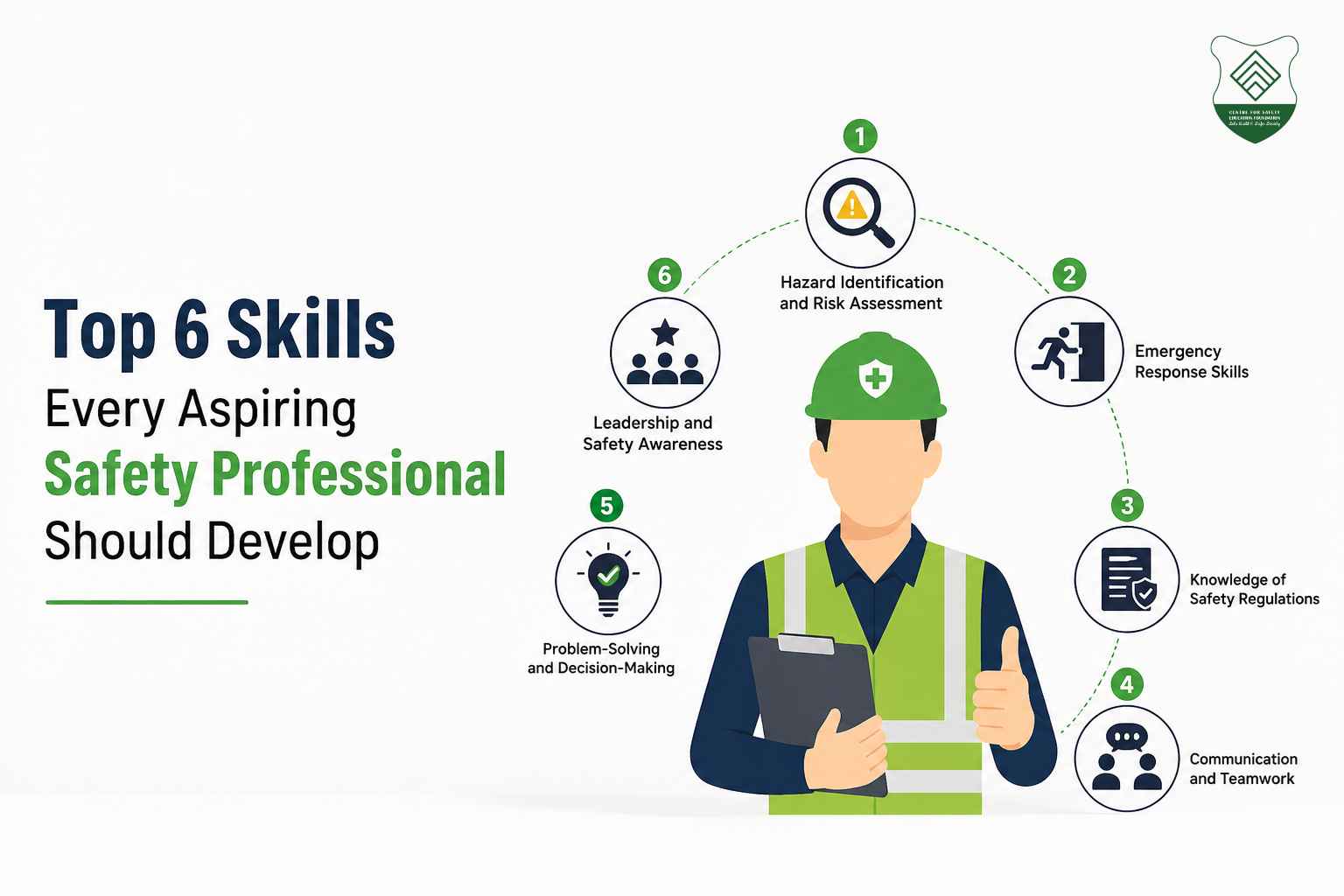
A career in workplace safety requires more than knowing rules and regulations. Safety professionals need technical knowledge, communication skills, leadership abilities and the confidence to respond effectively during emergencies. Choosing the Best Safety Training Institute in Kolkata can help aspiring professionals develop these essential skills. With the right safety courses, students can gain practical knowledge and prepare themselves for diverse roles across industries. 

  1. Hazard Identification and Risk Assessment

One of the most important skills for a safety professional is the ability to identify workplace hazards. Professionals should be able to assess risks, understand their potential impact and recommend suitable control measures to prevent accidents.

  1. Emergency Response Skills

Emergencies can happen without warning. Safety professionals must know how to respond quickly and efficiently to incidents such as fires, chemical spills, workplace injuries and other emergencies. Training in evacuation procedures, first aid and emergency response can help build confidence in critical situations.

  1. Knowledge of Safety Regulations

A good safety professional should understand relevant workplace safety standards, procedures and regulatory requirements. Staying updated with changing regulations is equally important for maintaining a safe and compliant workplace.

  1. Communication and Teamwork

Safety is everyone’s responsibility, which makes effective communication essential. Safety professionals need to explain procedures clearly, conduct safety briefings and encourage employees to follow safe working practices. Strong teamwork skills also help them coordinate effectively with management and workers.

  1. Problem-Solving and Decision-Making

Safety professionals frequently encounter unexpected challenges. The ability to analyse situations, identify the root cause of incidents and make informed decisions can help prevent accidents and improve workplace safety.

  1. Leadership and Safety Awareness

A successful safety professional should be capable of influencing workplace behaviour. Leadership skills help them promote a positive safety culture, motivate employees and ensure that safety procedures are followed consistently.

Develop Your Skills Through Professional Training

Develop Your Skills Through Professional Training

Technical knowledge becomes more valuable when supported by practical training. Aspiring professionals can explore safety courses in Kolkata that cover areas such as fire safety, industrial safety, emergency response, HSE management and risk assessment. Choosing the Best Safety Training Institute in Kolkata can provide a strong foundation for building the skills required in today’s competitive safety industry.

Whether you are starting your career or looking to strengthen your professional capabilities, investing in quality safety education can make a meaningful difference. Explore the right safety courses in Kolkata and take your first step towards becoming a confident, skilled and responsible safety professional.


Also read: 5 Safety Training Myths That Put Businesses at Risk – Listen to the Best Safety Training Institute in Kolkata

Recent Post

Top 8 Skills…

Top 6 Skills…

Career Opportunities After…

Categories
Safety Course

Career Opportunities After a Diploma in Fire & Safety Management

Career Opportunities After a Diploma in Fire & Safety Management

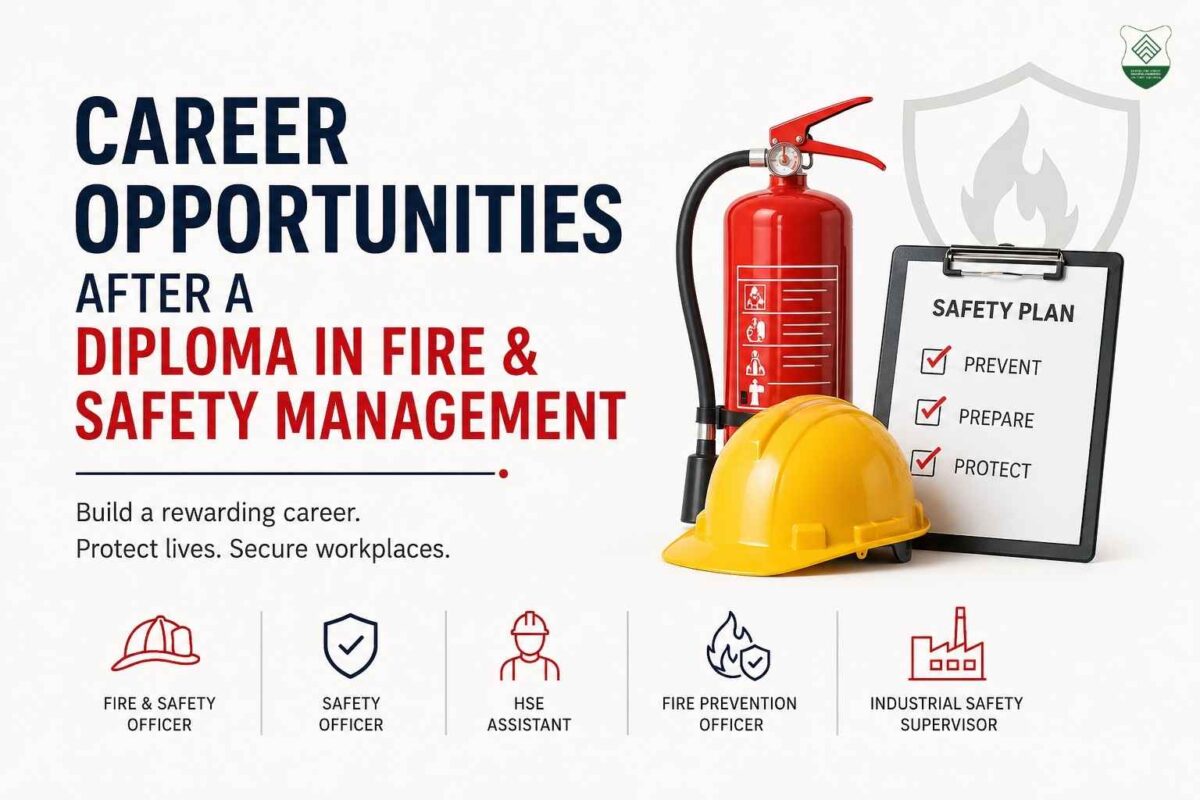
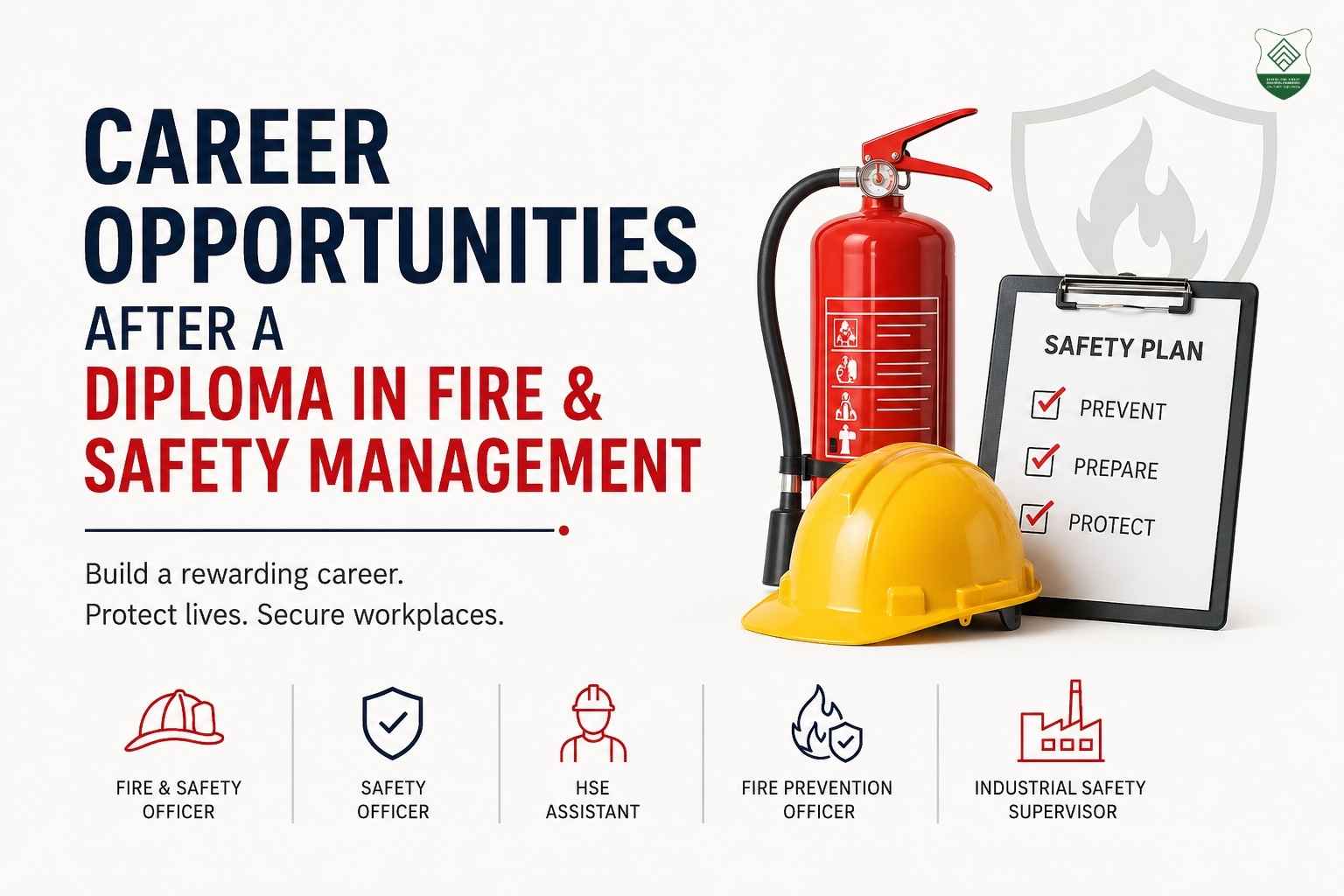
Did you know, choosing a Diploma in Fire and Safety Course in Kolkata can open the door to a rewarding career focused on protecting people, property and workplaces? As industries become increasingly focused on workplace safety and emergency preparedness, trained safety professionals are in demand across construction, manufacturing, healthcare, hospitality and other sectors. If you are considering a Fire and Safety Course in Kolkata, understanding the career opportunities can help you make an informed decision.

Why Choose a Career in Fire & Safety?

Why Choose a Career in Fire & Safety?

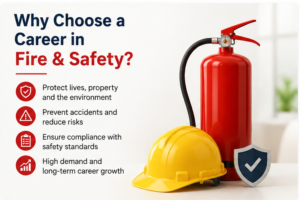
Fire and safety professionals play an important role in identifying hazards, preventing accidents and ensuring compliance with workplace safety practices. A diploma provides students with practical knowledge of fire prevention, emergency response, risk assessment, industrial safety and safety management.

The field is also suitable for individuals who want a career that combines technical knowledge with responsibility and real-world problem-solving.

Career Opportunities After a Fire & Safety Diploma

Career Opportunities After a Fire & Safety Diploma

After completing a diploma, candidates can explore several career paths, including:

  1. Fire & Safety Officer

Fire and Safety Officers are responsible for identifying fire hazards, conducting inspections, organising drills and implementing fire prevention measures in workplaces.

  1. Safety Officer

Safety Officers monitor workplace conditions, identify potential risks, promote safe working practices and help organisations maintain safety standards.

  1. HSE Assistant

Health, Safety and Environment (HSE) professionals support organisations in implementing safety procedures, maintaining records, conducting inspections and managing workplace risks.

  1. Fire Prevention Officer

These professionals focus specifically on preventing fire incidents through inspections, safety awareness programmes, emergency planning and preventive measures.

  1. Industrial Safety Supervisor

Manufacturing and industrial facilities require trained professionals to monitor workplace hazards, supervise safety procedures and encourage compliance among workers.

Career Opportunities After a Fire & Safety Diploma

Industries That Hire Safety Professionals

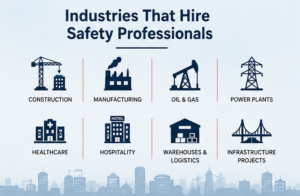
A qualified safety professional can find opportunities in construction, manufacturing, oil and gas, power plants, hospitals, warehouses, logistics, hotels, infrastructure projects and other industries.

With experience and additional certifications, professionals can also progress into senior safety, HSE management and safety consultancy roles.

Build Your Career with the Right Training

Build Your Career with the Right Training

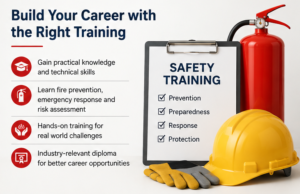
A career in fire and safety requires more than theoretical knowledge. Practical training, emergency response skills, hazard identification and risk assessment can help candidates become better prepared for real workplace challenges.

If you are looking for a Diploma in Fire and Safety Course in Kolkata, choosing a programme that combines technical education with practical safety knowledge can be an important first step towards a successful career.

So, start building your future in safety today. Explore a professional Fire and Safety Course in Kolkata and take the first step towards becoming a skilled safety professional.


Also read: Switch Career from Blue Collar to White Collar with Safety Courses in Kolkata


Recent Post

Top 8 Skills…

Top 6 Skills…

Career Opportunities After…

Categories
Uncategorized

Switch Career from Blue Collar to White Collar with Safety Courses in Kolkata

Switch Career from Blue Collar to White Collar with Safety Courses in Kolkata

The modern industrial landscape is rapidly evolving, creating new opportunities for skilled professionals to move beyond traditional job roles. With the growing importance of occupational safety and regulatory compliance, workers can now transition from blue-collar positions to professional white-collar careers through specialized safety courses in Kolkata. Enrolling in the Best Safety Training Institute in Kolkata can provide the knowledge, certifications, and leadership skills required to accelerate this career transformation.

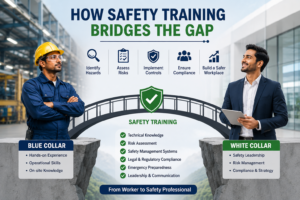
Understanding Blue-Collar and White-Collar Careers

Blue-collar professionals are typically engaged in hands-on operational activities such as construction, manufacturing, maintenance, logistics, and plant operations. These roles require technical expertise, practical experience, and operational efficiency.

White-collar professionals, on the other hand, focus on management, planning, administration, compliance, and strategic decision-making. Positions such as Safety Officer, Safety Engineer, HSE Manager, and Compliance Officer fall under this category.

As industries become increasingly safety-conscious, the distinction between these roles is narrowing, creating a clear pathway for career advancement through professional training and certification.

How Safety Training Bridges the Gap

How Safety Training Bridges the Gap

One of the most effective ways to move from a blue-collar role to a white-collar position is by acquiring expertise in Occupational Health, Safety, and Environment (HSE) management.

Professional safety courses in Kolkata equip candidates with essential competencies, including:

  • Occupational Health and Safety (OHS) Management
  • Hazard Identification and Risk Assessment (HIRA)
  • Job Safety Analysis (JSA)
  • Safety Management Systems (SMS)
  • Incident Investigation Techniques
  • Emergency Response Planning
  • Fire Safety and Industrial Safety Management
  • Personal Protective Equipment (PPE) Compliance
  • ISO 45001 Occupational Health and Safety Standards
  • Legal and Regulatory Compliance Frameworks

These technical and managerial skills enable professionals to take on supervisory and administrative responsibilities within organizations.

Career Progression Path

The transition from blue collar to white collar often follows a structured growth model:

Entry-Level Worker/Technician

Skilled Worker with Safety Certifications

Safety Supervisor

Safety Officer

Safety Engineer or HSE Professional

Safety Manager/Compliance Manager

As professionals gain industry experience and recognized certifications, they move from task execution to workforce supervision, risk management, safety auditing, and organizational leadership.

Why Industries Need Certified Safety Professionals

Industrial sectors today operate under stringent safety regulations and compliance requirements. Organizations actively seek professionals who can:

  • Identify workplace hazards
  • Implement preventive safety measures
  • Conduct risk assessments
  • Ensure statutory compliance
  • Reduce workplace accidents
  • Promote a strong safety culture

The increasing adoption of international standards such as ISO 45001 has further increased the demand for qualified safety professionals across construction, oil & gas, manufacturing, infrastructure, logistics, and power sectors.

Benefits of Safety Courses for Career Growth

Pursuing professional safety training offers several advantages:

  • Enhanced employability
  • Higher salary potential
  • Leadership opportunities
  • International career prospects
  • Industry-recognized certifications
  • Better job security

The technical knowledge gained through safety education helps professionals become valuable assets to employers while opening doors to managerial and administrative roles.

In a nutshell, the journey from blue collar to white collar is no longer limited by traditional educational pathways. With the right certifications, practical exposure, and industry-focused training, professionals can successfully advance into leadership and management positions. By enrolling in the Best Safety Training Institute in Kolkata, candidates can develop the expertise needed to excel in modern industries.

If you are looking to build a rewarding career, now is the ideal time to explore safety courses in Kolkata and take the very first step toward professional growth and long-term success.

Also read: Career Opportunities After a Fire and Safety Course in Kolkata

Recent Post

Top 8 Skills…

Top 6 Skills…

Career Opportunities After…

Categories
Safety Course

Why Hiring a Competent Safety Officer Is Essential for Workplace Safety

Why Hiring a Competent Safety Officer Is Essential for Workplace Safety

Workplace safety is a critical aspect of every industry, whether it is construction, manufacturing, oil and gas, logistics, or healthcare. Hiring a qualified safety officer can significantly reduce workplace accidents, improve compliance, and create a safer work environment for employees. As industries increasingly prioritize safety standards, professionals trained through safety courses in Kolkata and a recognized Safety Officer course in Kolkata are becoming highly valuable assets for organizations.

Ensures Compliance with Safety Regulations

One of the primary responsibilities of a safety officer is to ensure that the organization complies with all applicable health and safety regulations. Non-compliance can lead to legal penalties, operational disruptions, and reputational damage. A competent safety officer stays updated with industry standards and helps the organization maintain regulatory compliance at all times.

Reduces Workplace Accidents and Hazards

Reduces Workplace Accidents and Hazards

Safety officers are trained to identify potential hazards before they result in accidents. They conduct regular inspections, risk assessments, and safety audits to eliminate unsafe conditions. By implementing preventive measures and promoting safe work practices, they help reduce injuries, property damage, and downtime.

Promotes a Strong Safety Culture

A workplace that prioritizes safety experiences higher employee morale and productivity. Safety officers conduct training sessions, awareness programs, and emergency preparedness drills to educate employees about safe working practices. This creates a culture where safety becomes everyone’s responsibility rather than just a management requirement.

Improves Emergency Preparedness

Improves Emergency Preparedness

Unexpected emergencies such as fires, chemical spills, equipment failures, or natural disasters can occur at any workplace. A skilled safety officer develops emergency response plans, organizes evacuation drills, and ensures employees know how to react during critical situations. Their preparedness can minimize losses and save lives.

Enhances Business Productivity

Accidents often result in lost work hours, compensation claims, equipment damage, and project delays. By preventing workplace incidents, safety officers help organizations maintain smooth operations and improve overall productivity. Investing in workplace safety is ultimately an investment in business success.

The Growing Demand for Qualified Safety Officers

With increasing awareness about occupational health and safety, industries are actively seeking trained safety professionals. Individuals looking to build a rewarding career in this field can benefit from enrolling in a reputed Safety Officer course in Kolkata. Quality training provides practical knowledge, industry exposure, and certification that enhance employability.

Choosing the Best Safety Training Institute in Kolkata ensures access to experienced trainers, updated course modules, and hands-on learning opportunities. Such programs equip aspiring professionals with the skills needed to manage workplace safety effectively across diverse industries.

A competent safety officer plays a vital role in preventing accidents, ensuring compliance, improving productivity, and protecting lives. As organizations continue to prioritize workplace safety, the demand for skilled professionals will only grow. If you aspire to build a successful career in this field, enrolling in safety courses in Kolkata offered by the Best Safety Training Institute in Kolkata and completing a recognized Safety Officer course in Kolkata can be the first step toward a promising future.

Also read: Why Safety Education is the Backbone of a Safe Workplace?
Recent Post

Top 8 Skills…

Top 6 Skills…

Career Opportunities After…

Categories
Safety Course

Career Opportunities After a Fire and Safety Course in Kolkata

Career Opportunities After a Fire and Safety Course in Kolkata

With rapid industrialization, infrastructure growth, and stricter workplace safety regulations, the demand for skilled fire and safety professionals is increasing worldwide. However, pursuing a Fire and Safety Course in Kolkata can open doors to diverse and high-paying career opportunities in industries such as construction, oil and gas, manufacturing, power plants, aviation, shipping, and healthcare. A Diploma in Fire and Safety Course in Kolkata equips students with technical knowledge related to occupational safety, hazard prevention, fire protection systems, and emergency response management.

Career Opportunities After a Fire and Safety Course in Kolkata

Growing Demand for Fire and Safety Professionals

Modern industries operate under strict compliance frameworks such as OSHA standards, ISO 45001 Occupational Health and Safety Management Systems, NFPA guidelines, and environmental safety regulations. Companies require trained professionals who can identify workplace hazards, conduct risk assessments, and implement preventive safety measures.

Fire and safety engineers are responsible for designing and maintaining fire detection systems, sprinkler systems, smoke management systems, and emergency evacuation procedures. They also ensure compliance with fire load calculations, hazard analysis, and industrial safety audits.

Career Opportunities After a Fire and Safety Course in Kolkata

Major Career Roles in Fire and Safety Engineering

  • Fire Safety Officer

A Fire Safety Officer supervises fire prevention systems and conducts fire drills, emergency preparedness programs, and evacuation planning. They inspect fire extinguishers, hydrant systems, fire alarms, and suppression systems to ensure operational readiness.

  • HSE Officer (Health, Safety & Environment)

HSE Officers monitor workplace safety standards and conduct Job Safety Analysis (JSA), Hazard Identification and Risk Assessment (HIRA), and Permit-to-Work (PTW) procedures. They also investigate accidents using root cause analysis techniques.

  • Safety Engineer

Safety Engineers design and implement engineering controls to reduce workplace risks. They evaluate industrial processes, machinery safety, confined space operations, and Lockout/Tagout (LOTO) procedures to minimize accidents.

  • Fire Protection Engineer

These professionals specialize in fire dynamics, fire-resistant materials, sprinkler hydraulics, smoke control systems, and passive fire protection methods. They play a critical role in high-rise buildings, industrial plants, and oil refineries.

  • Industrial Safety Supervisor

Industrial Safety Supervisors oversee daily safety compliance in factories, manufacturing units, and construction sites. Their duties include PPE compliance monitoring, scaffolding inspections, electrical safety audits, and fall protection management.

Industries Offering Excellent Opportunities

Professionals completing a Diploma in Fire and Safety Course in Kolkata can find opportunities in:

  • Oil & Gas Industries
  • Petrochemical Plants
  • Construction and Infrastructure Projects
  • Shipping and Marine Industries
  • Airports and Aviation Sector
  • Thermal and Nuclear Power Plants
  • Hospitals and Commercial Buildings
  • Manufacturing Industries

The global focus on workplace safety and environmental sustainability has significantly increased the demand for certified safety professionals.

Career Opportunities After a Fire and Safety Course in Kolkata

Skills Required for Success

To excel in fire and safety engineering, candidates must develop technical expertise in:

  • Fire dynamics and combustion theory
  • Hazard communication systems
  • Industrial hygiene monitoring
  • Emergency response planning
  • Incident investigation techniques
  • Safety management systems (SMS)
  • PPE and respiratory protection standards

Apart from these, strong analytical thinking, communication skills, and leadership qualities are equally important.

A career in fire and safety engineering offers long-term growth, job stability, and opportunities across multiple industries. Enrolling in a Fire and Safety Course in Kolkata helps students gain practical and technical knowledge required in modern industrial environments. Remember that a Diploma in Fire and Safety Course in Kolkata not only enhances employability but also prepares professionals to create safer workplaces and protect lives through advanced safety management practices.


Also read: Why Safety Education is the Backbone of a Safe Workplace?
Recent Post

Top 8 Skills…

Top 6 Skills…

Career Opportunities After…

Categories
Safety Course

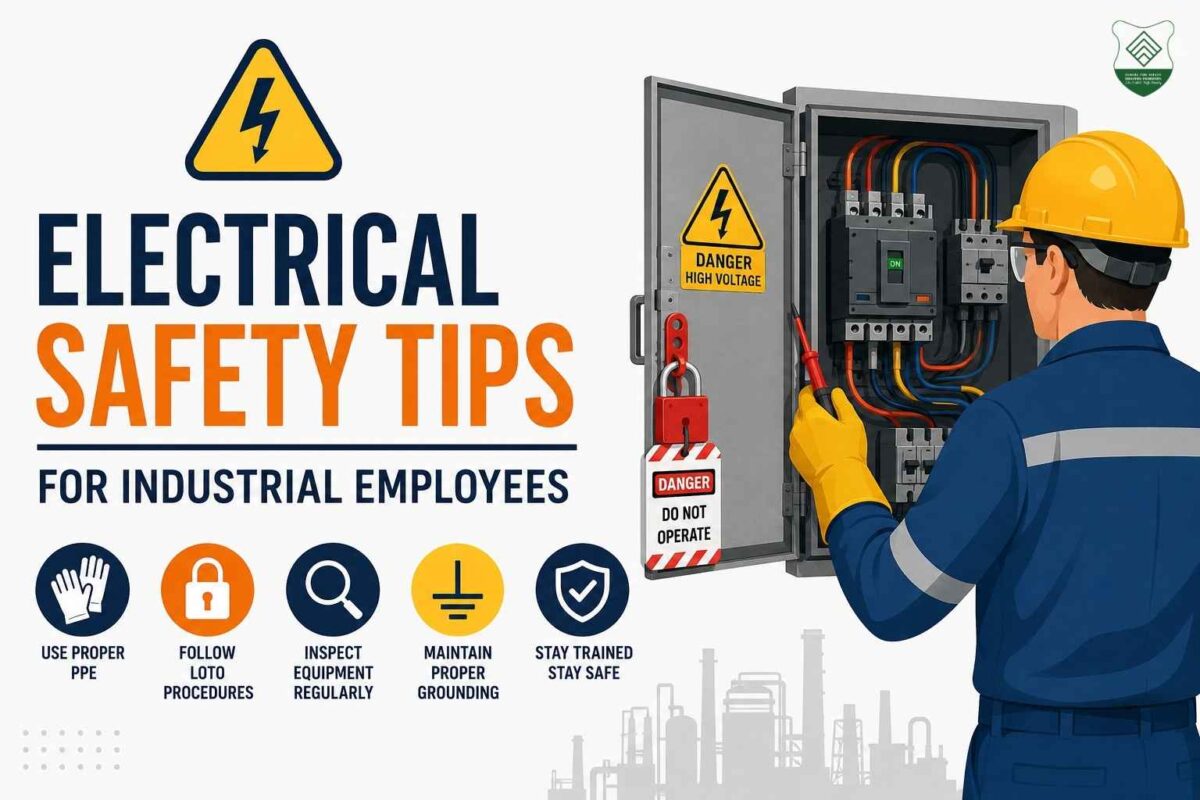
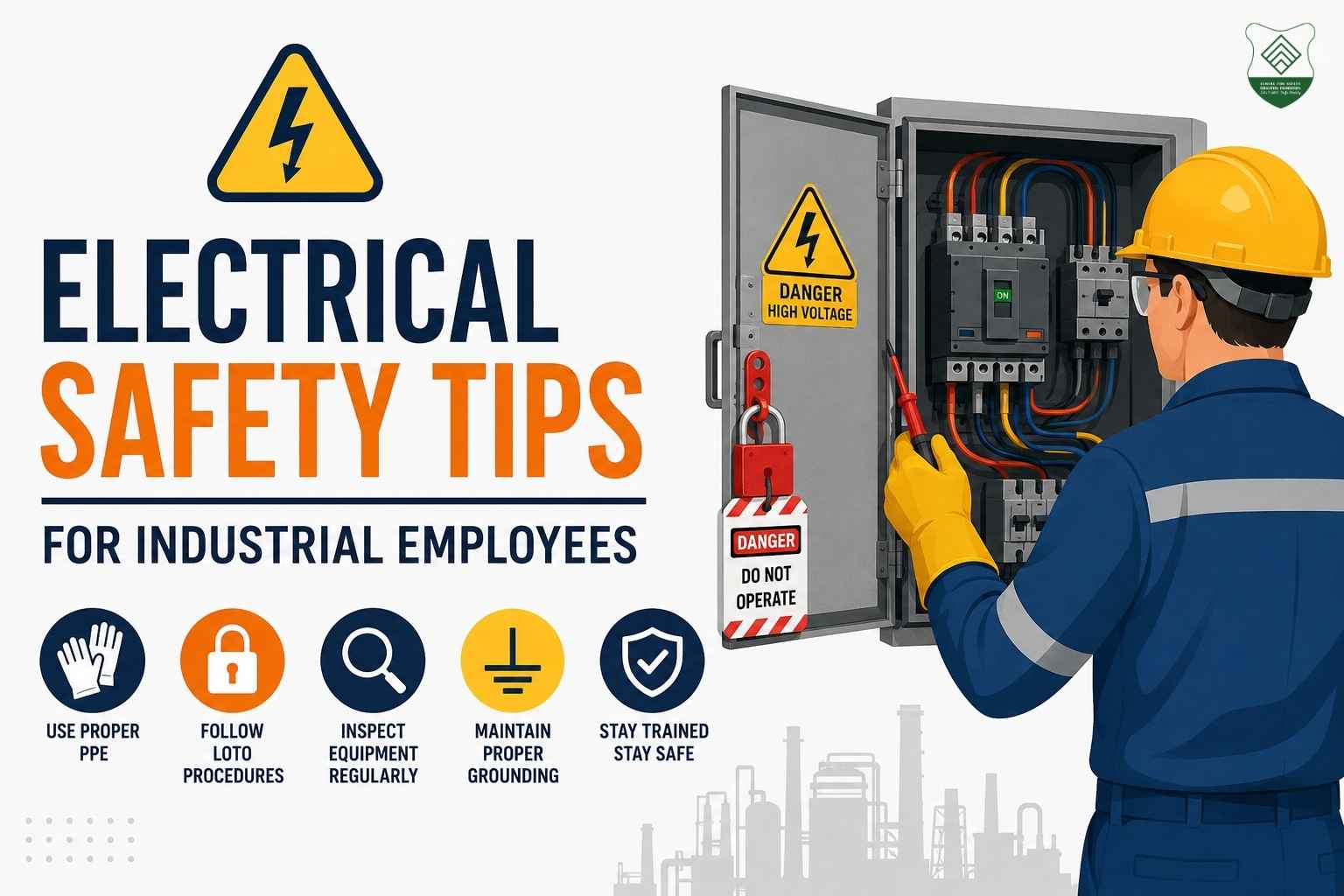
Electrical Safety Tips for Industrial Employees

Electrical Safety Tips for Industrial Employees

Industrial workplaces are filled with high-voltage equipment, heavy machinery, exposed wiring, and electrically powered tools that can become dangerous if not handled properly. This is the very reason why proper electrical safety awareness is essential to prevent accidents such as electric shocks, arc flashes, burns, and equipment failure. However, enrolling in an Electrical Safety Course in Kolkata can help workers understand electrical hazards and maintain a safer industrial environment. Many professionals also choose safety courses in Kolkata and an Industrial Safety Course in Kolkata to improve workplace safety knowledge and compliance.

Understand Common Electrical Hazards

Electrical hazards in industries usually include exposed conductors, overloaded circuits, damaged insulation, improper grounding, and wet working conditions. One of the most dangerous risks is an arc flash, which occurs when electric current travels through the air between conductors. Arc flashes can generate extreme heat and cause severe burns.

Employees should also be aware of electrical short circuits, ground faults, and electrocution risks while working near energized systems. Understanding these technical hazards is the first step toward prevention.

Follow Lockout/Tagout (LOTO) Procedures

Lockout/Tagout (LOTO) is a critical electrical safety protocol used during maintenance and repair work. It ensures that machines are completely de-energized before servicing.

The process includes:

  • Isolating the energy source
  • Locking the disconnect switch
  • Tagging the equipment with warning labels
  • Verifying zero energy before beginning work

Ignoring LOTO procedures can result in accidental energization, leading to serious injuries or fatalities.

Use Proper Personal Protective Equipment (PPE)

Industrial employees should always wear appropriate PPE when working around electrical systems. Essential protective equipment includes:

  • Insulated gloves
  • Dielectric safety shoes
  • Flame-resistant clothing
  • Arc-rated face shields
  • Safety helmets with electrical protection

PPE acts as the last line of defense against electrical injuries and should meet industry safety standards.

Electrical Safety Tips for Industrial Employees
Inspect Electrical Equipment Regularly

Faulty tools and damaged cables are among the leading causes of industrial electrical accidents. Employees should inspect:

  • Extension cords
  • Circuit breakers
  • Insulation materials
  • Control panels
  • Portable electrical tools

Any signs of overheating, exposed wires, or unusual sparks should be reported immediately. Preventive maintenance significantly reduces equipment failure risks.

Avoid Overloading Circuits

Overloaded circuits can cause overheating, insulation damage, and electrical fires. Industrial workers should ensure that machinery operates within recommended voltage and current ratings. Using proper load distribution systems and surge protection devices can improve operational safety.

Maintain Proper Grounding

Grounding protects employees from electric shock by safely directing excess current to the earth. Poor grounding can lead to equipment malfunction and dangerous touch voltage. Industries should regularly test grounding systems and ensure compliance with electrical safety standards.

Importance of Safety Training

Regular training programs help employees stay updated with industrial electrical safety protocols, hazard identification, and emergency response procedures. Joining an Electrical Safety Course in Kolkata helps workers understand practical safety measures, while safety courses in Kolkata enhance overall workplace safety awareness. A certified Industrial Safety Course in Kolkata also prepares employees to manage high-risk industrial environments more effectively.

Electrical safety is not just about compliance; it is about protecting lives, machinery, and productivity. Proper hazard identification, PPE usage, grounding practices, and adherence to LOTO procedures can significantly reduce workplace accidents. Investing in professional training through an Electrical Safety Course in Kolkata, advanced safety courses in Kolkata, or an Industrial Safety Course in Kolkata can help industries create a safer and more efficient work environment.

Recent Post

Top 8 Skills…

Top 6 Skills…

Career Opportunities After…

Categories
Safety Course

Electrical Safety Training in India | OSH Code 2020 & Safety Rules 

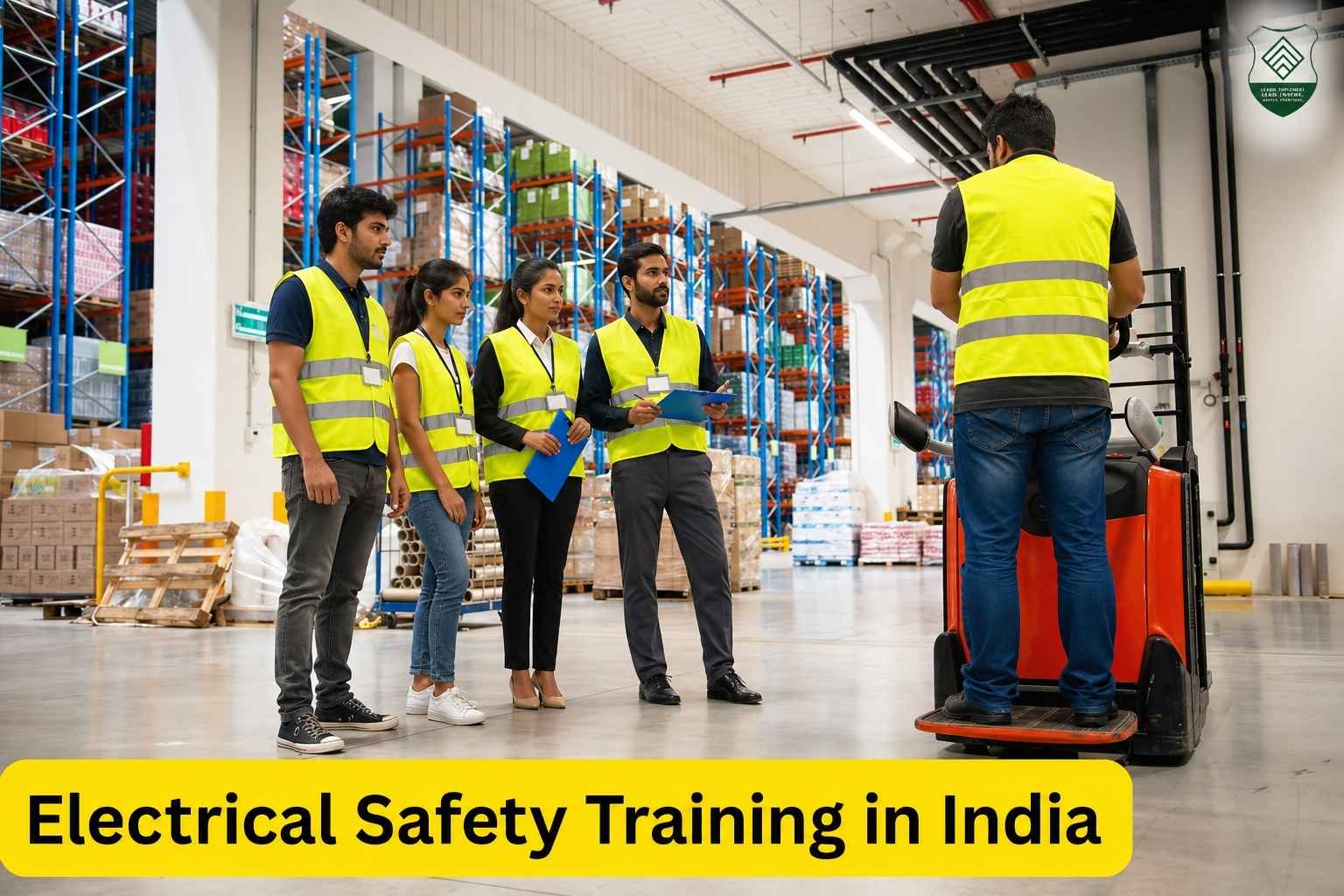
Electrical Safety Training in India

Electrical safety is no longer optional—it is a legal, moral, and operational necessity. With the implementation of the Occupational Safety, Health and Working Conditions Code, 2020 (OSH Code 2020), workplace safety standards in India have taken a stronger, more structured form. Whether in factories, construction sites, or commercial setups, understanding electrical hazards and compliance requirements, along with an Industrial Safety Course in Kolkata is highly critical. 

Electrical incidents contribute significantly to workplace accidents and fires. Studies indicate that electrical failures are responsible for a considerable percentage of fires and fatalities globally. This highlights the urgent need for awareness, training, and strict compliance with safety regulations. 
Reference: Electrical Safety Foundation International (ESFI), NFPA Electrical Fire Statistics (2023–2024) 

Understanding OSH Code and Safety

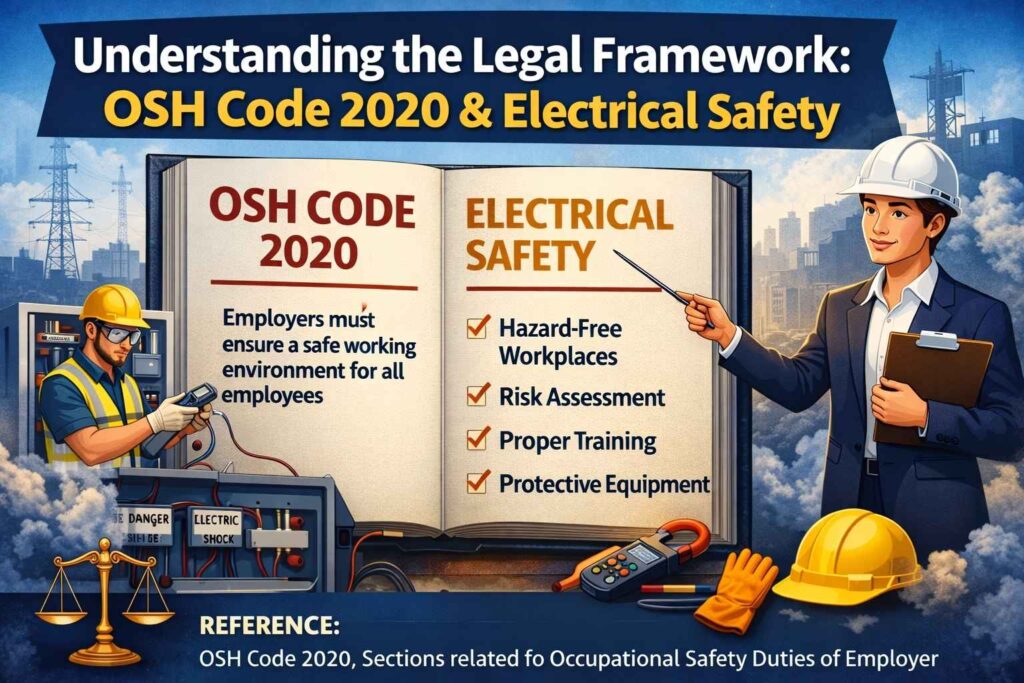
Understanding the Legal Framework: OSH Code 2020 & Electrical Safety 

The OSH Code 2020 mandates employers to ensure a safe working environment for all employees. 

Key Provisions Related to Electrical Safety: 

  • Employers must ensure hazard-free workplaces  
  • Mandatory risk assessment and hazard identification  
  • Proper training and competency of workers  
  • Use of protective equipment (PPE)  
  • Maintenance of safe electrical systems and equipment  

Reference: OSH Code 2020, Sections related to Occupational Safety Duties of Employer 

This aligns directly with the principle: 
“Every wire is a live wire unless proven otherwise.”  

Important Rules & Standards to Follow 

Electrical safety in India is governed by key regulations:

1. The Electricity Act, 2003

  • Section 146: Non-compliance can lead to penalties or imprisonment  
  • Section 149: Company officials are accountable for violations  
  • Section 151: Defines legal procedures for prosecution  

2. CEA Safety Regulations, 2010

  • Follow NEC & NBC guidelines and use standard materials  
  • Ensure safe switchgear installation with fireproof enclosures  
  • Clearly identify conductors (live, neutral, earth)  
  • Maintain proper earthing, especially for high-voltage systems  

Reference: Electricity Act, 2003 (Part XIV) & CEA Safety Regulations, 2010 

Major electrical hazards in workplaces

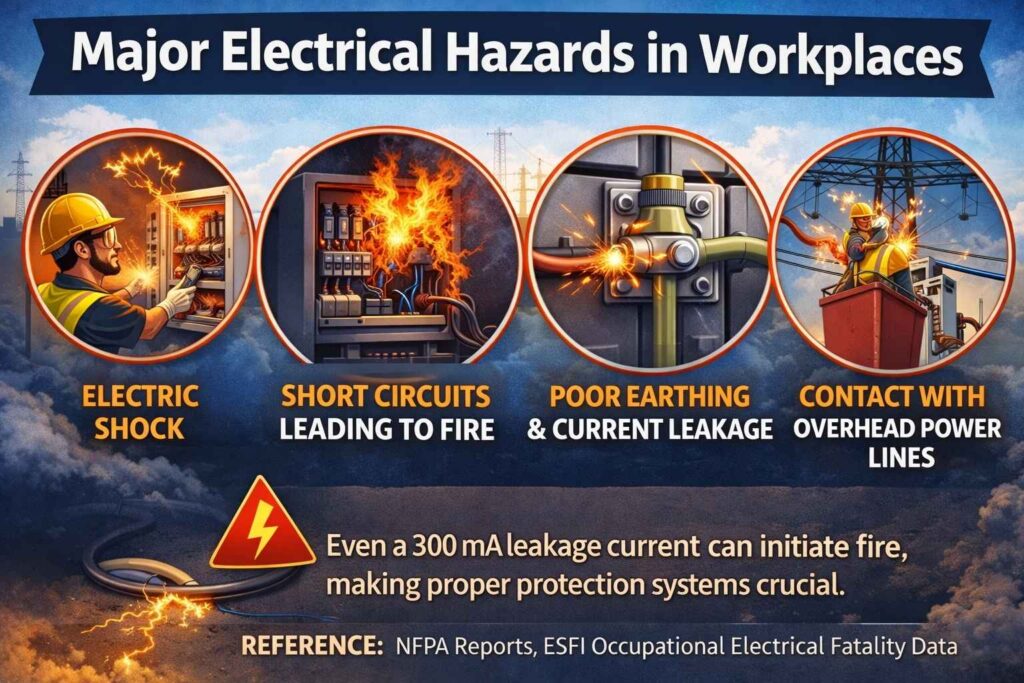
Major Electrical Hazards in Workplaces 

Electrical hazards are often underestimated but extremely dangerous. 

Common Risks Include: 

  • Electric shock (as low as 50 volts can be dangerous)  
  • Short circuits leading to fire  
  • Poor earthing causing current leakage  
  • Contact with overhead power lines (major fatality cause)  

Even a 300 mA leakage current can initiate fire, making proper protection systems crucial. 

Reference: NFPA Reports, ESFI Occupational Electrical Fatality Data 

Essential Electrical Safety Practices 

To comply with OSH Code 2020 and safety regulations, workplaces must follow: 

Risk Assessment 

  • Identify hazards before starting work  
  • Avoid working on live systems unless absolutely necessary  

Use of Safety Devices 

  • RCCB / ELCB / RCD for leakage protection  
  • Surge protection systems  

Proper Earthing 

  • Ensures fault current safely returns to ground  
  • Prevents fire and equipment damage  

Training & Competency 

  • Only trained personnel should handle electrical work  
  • Competency certification is critical  

Lockout/Tagout (LOTO) 

  • Isolate energy sources before maintenance  
  • Prevent accidental re-energizing  

Reference: OSHA Electrical Safety Guidelines, IEC Standards, IS Codes 

Why Training is the Real Game-Changer 

Rules alone don’t prevent accidents—trained people do. 

A worker may follow instructions, but a trained safety professional: 

  • Identifies hidden risks  
  • Implements preventive systems  
  • Ensures compliance with OSH Code and regulations  

As highlighted in your earlier content, the transition from worker to safety professional depends heavily on structured safety education. 

Reference: Industrial Safety Training Frameworks & Skill Development Guidelines 

From Awareness to Action: The Need for Electrical Safety Programs 

You have already conducted Electrical Safety and Fire Safety programs, which is a strong foundation. The next step is to: 

  • Standardize the training with legal compliance (OSH Code 2020)  
  • Integrate real-life case studies  
  • Include practical risk assessment modules  
  • Offer certification-based learning  

This creates a high-value paid training program opportunity. 

Electrical safety is not just about avoiding accidents—it’s about compliance, responsibility, and saving lives. With the implementation of the OSH Code 2020, organizations must go beyond basic precautions and adopt structured safety practices. 

Safety courses in Kolkata, awareness, and strict adherence to regulations like the Electricity Act 2003 and CEA Regulations 2010 are essential to build a safer workplace. 

Recent Post

Top 8 Skills…

Top 6 Skills…

Career Opportunities After…